
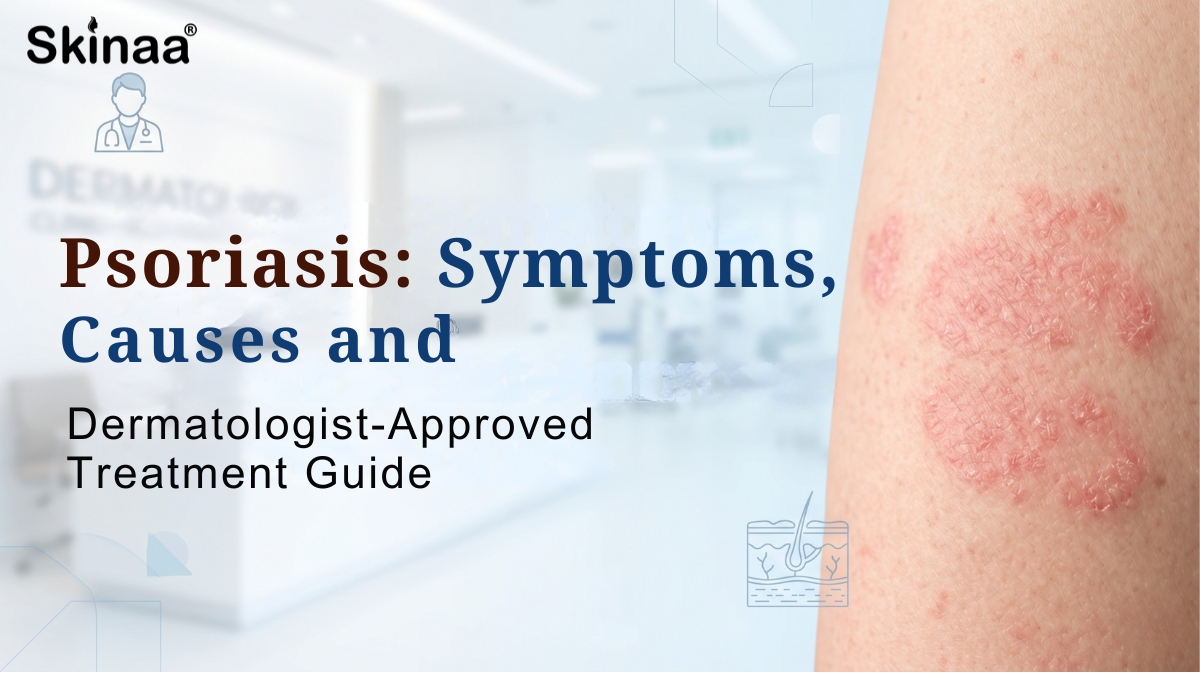
Psoriasis is a chronic skin condition that affects millions of people and often goes beyond just a skin issue. It can impact physical comfort, confidence, and overall quality of life.
Many individuals struggle with recurring flare-ups, itching, and visible skin changes without fully understanding the condition or how to manage it effectively.
The good news is that with the right medical approach and consistent care, psoriasis can be controlled successfully.
In this guide, you will learn about the symptoms, causes, and dermatologist-recommended treatments that can help you manage psoriasis better.
What is Psoriasis
Psoriasis is a long-term autoimmune skin condition in which the body’s immune system speeds up the life cycle of skin cells.
This leads to the rapid buildup of skin cells on the surface, resulting in thick, scaly patches that may appear red, inflamed, and sometimes painful.
Psoriasis is not contagious, but it requires proper medical management to prevent worsening symptoms and frequent flare-ups
Common Symptoms of Psoriasis
Psoriasis symptoms can vary from person to person, but some of the most commonly observed signs include:
- Red, inflamed patches of skin covered with silvery-white scales
- Persistent itching and discomfort
- Dry and cracked skin that may bleed
- Thickened, pitted, or discolored nails
- Joint pain or stiffness in some cases (psoriatic arthritis)
Recognizing these symptoms early can help in seeking timely treatment and preventing the condition from progressing
What Causes Psoriasis
The exact cause of psoriasis is not fully understood, but it is generally linked to a combination of immune system dysfunction and genetic factors.
In psoriasis, the immune system mistakenly attacks healthy skin cells, leading to rapid skin cell production and inflammation.
Certain triggers can worsen or activate psoriasis, including:
- Stress
- Skin injuries or infections
- Weather changes
- Certain medications
- Lifestyle factors
People with a family history of psoriasis may have a higher risk of developing the condition
Types of Psoriasis
Psoriasis can present in different forms, depending on severity and symptoms.
Plaque psoriasis is the most common type and appears as raised, red patches with silvery scales. Guttate psoriasis commonly found on children often shows up as small, drop-like lesions, especially after infections.
Inverse psoriasis affects skin folds such as underarms and groin, while pustular psoriasis causes pus-filled bumps. In some cases, psoriasis may also affect joints, leading to psoriatic arthritis.
Understanding the type of psoriasis helps dermatologists design a more effective treatment plan.
How Psoriasis is Diagnosed
Diagnosis of psoriasis is usually done through a clinical examination by a dermatologist.
Doctors evaluate the appearance of skin lesions, medical history, and symptoms. In some cases, a skin biopsy may be recommended to confirm the diagnosis and rule out other skin conditions.
Early diagnosis plays a key role in controlling symptoms and preventing complications.
Psoriasis Treatment Options
Although psoriasis does not have a permanent cure, several effective treatments can help control symptoms and improve skin health.
Topical Treatments
Creams and ointments containing corticosteroids, vitamin D analogs, or medicated formulations help reduce inflammation and scaling.
Phototherapy
Controlled exposure to ultraviolet (UV) light can slow down skin cell growth and improve symptoms in moderate cases.
Oral and Injectable Medications
In more severe cases, dermatologists may prescribe systemic treatments or biologics that target the immune system to reduce inflammation.
Lifestyle Management
Managing stress, maintaining a healthy diet, and avoiding known triggers can significantly reduce flare-ups.
Skin Care and Moisturization
Regular moisturization helps prevent dryness, reduce itching, and protect the skin barrier.
A combination of these treatments is often used to achieve the best results, depending on the severity of the condition
Daily Care Tips for Psoriasis Management
Managing psoriasis requires consistency in daily habits.
Keeping the skin well-moisturized helps reduce dryness and irritation. Avoiding harsh soaps and skincare products is equally important.
Stress management techniques such as meditation or regular exercise can help reduce flare-ups. Wearing soft, breathable clothing can also prevent skin irritation.
Following a dermatologist-recommended routine ensures better long-term control of symptoms.
When to Consult a Dermatologist
Psoriasis should not be self-treated, especially if symptoms are worsening or recurring frequently.
You should consult a dermatologist if:
Symptoms are spreading or becoming severe
There is pain, swelling, or joint involvement
Flare-ups are affecting daily life
Professional guidance ensures accurate diagnosis and a treatment plan tailored to your condition.
Why Choose Skinaa Clinic for Psoriasis Treatment
Managing psoriasis requires more than just temporary solutions. It needs a medically guided, personalized approach.
At Skinaa Clinic, psoriasis treatment is handled by experienced dermatologists who focus on long-term skin health and symptom control.
Patients benefit from:
- Accurate diagnosis and condition assessment
- Personalized treatment plans based on severity
- Advanced dermatological therapies
- Guidance on lifestyle and skincare routines
- Continuous monitoring for better control of flare-ups
The goal is not just symptom relief, but sustainable improvement in skin health.
Take Control of Your Skin with Expert Care
Psoriasis can feel overwhelming, especially with recurring flare-ups and visible skin changes. However, with the right medical guidance and consistent care, it can be managed effectively.
If you are experiencing symptoms of psoriasis or struggling with ongoing flare-ups, seeking expert advice is the first step towards better skin health.
Consult the specialists at Skinaa Clinic and start your journey towards healthier, more manageable skin with a treatment plan designed specifically for you.
Frequently Asked Questions
Is psoriasis a permanent disease
Psoriasis is a chronic condition. While it cannot be permanently cured, it can be effectively managed with proper treatment.
Is psoriasis contagious
No, psoriasis is not contagious and cannot spread from person to person.
What triggers psoriasis flare-ups
Common triggers include stress, infections, skin injuries, weather changes, and certain medications.
Can psoriasis affect other parts of the body
Yes, psoriasis can affect nails and joints, leading to conditions like psoriatic arthritis.
How can I control psoriasis naturally
Lifestyle changes such as stress management, proper skincare, and avoiding triggers can help manage symptoms.
When should I see a doctor for psoriasis
You should consult a dermatologist if symptoms worsen, spread, or do not respond to basic treatments.