
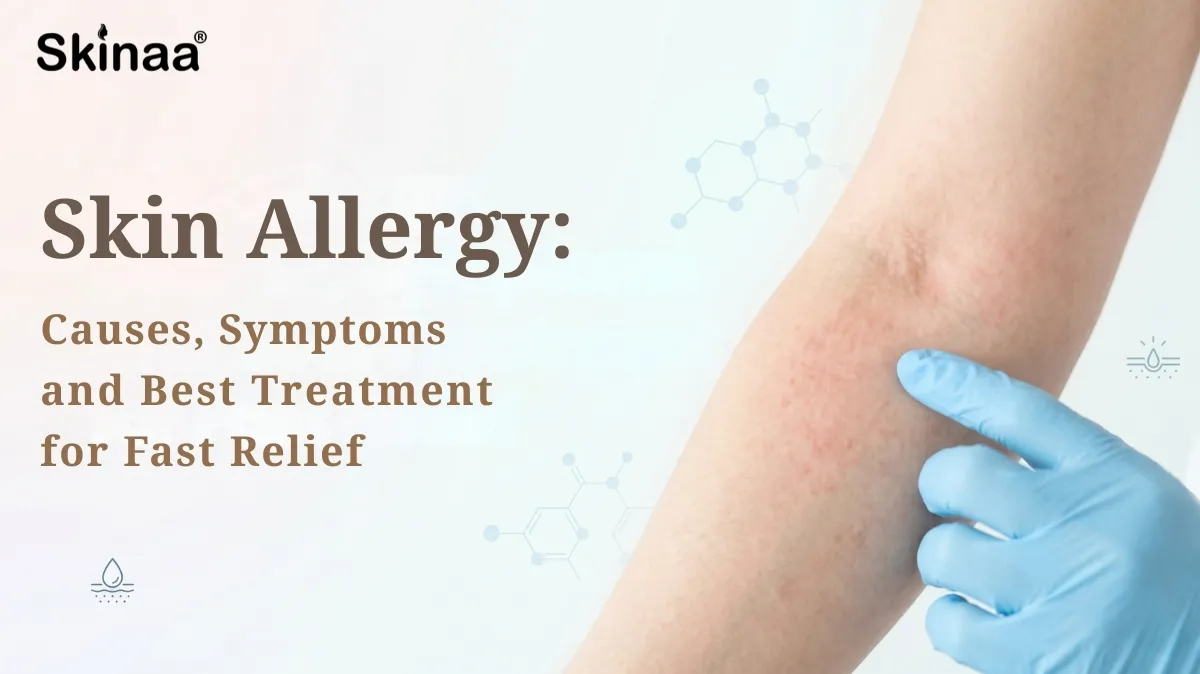
Skin allergies are among the most common skin concerns, affecting people of all ages. They can appear suddenly, cause intense itching, and disrupt daily life if not managed properly.
From mild rashes to severe irritation, skin allergies can vary widely in their intensity and triggers. Many individuals try random creams or home remedies, but without understanding the exact cause, the condition often worsens or keeps recurring.
The key to effective treatment lies in identifying the root cause and following a medically guided approach.
In this guide, you will learn everything about skin allergies, including their causes, symptoms, types, and the most effective treatment options.
What is a Skin Allergy
A skin allergy occurs when the immune system reacts to a substance that is usually harmless, known as an allergen.
When the skin comes in contact with these allergens, the body triggers a response that leads to redness, itching, swelling, or rashes.
Common allergens include dust, pollen, certain foods, chemicals, skincare products, and environmental factors
Common Symptoms of Skin Allergy
Skin allergy symptoms can vary depending on the trigger and severity, but some of the most common signs include:
- Redness and inflammation on the skin
- Itching or burning sensation
- Rashes or small bumps
- Dry, flaky, or irritated skin
- Swelling in affected areas
- Blisters or peeling in severe cases
These symptoms may appear suddenly and can worsen if not treated properly
What Causes Skin Allergy
Skin allergies are usually caused by a reaction of the immune system to specific triggers.
Environmental factors such as pollution, weather changes, and sunlight can lead to allergic reactions. Certain foods, medications, or chemicals in skincare products can also act as triggers.
In some cases, allergies may be linked to underlying immune system issues or genetic predisposition.
Stress and lifestyle habits can further aggravate the condition, making symptoms more severe or frequent
Types of Skin Allergies
Skin allergies can present in different forms depending on the cause.
Contact dermatitis occurs when the skin reacts to direct contact with allergens like cosmetics or chemicals. Urticaria, also known as hives, appears as raised, itchy welts on the skin.
Atopic dermatitis (eczema) is a chronic condition that causes dry, itchy, and inflamed skin. Photoallergic reactions occur due to sensitivity to sunlight.
Each type requires a different treatment approach, which is why accurate diagnosis is important.
How Skin Allergy is Diagnosed
Diagnosis of skin allergy involves identifying the exact trigger responsible for the reaction.
Dermatologists may recommend tests such as patch tests, prick tests, or intradermal tests to detect allergens.
These tests help in creating a targeted treatment plan and avoiding unnecessary medications
Effective Treatment Options for Skin Allergy
Skin allergy treatment focuses on reducing symptoms and preventing recurrence.
Topical Treatments
Medicated creams and ointments help reduce inflammation, itching, and redness.
Oral Medications
Antihistamines and other medications may be prescribed to control allergic reactions.
Allergy Testing and Avoidance
Identifying and avoiding triggers is one of the most important steps in managing allergies.
Lifestyle Modifications
Maintaining hygiene, avoiding harsh products, and managing stress can significantly reduce flare-ups.
A combination of medical treatment and preventive care ensures better long-term results
Daily Care Tips to Prevent Skin Allergies
Preventing skin allergies requires consistent care and awareness.
Avoid using harsh or untested skincare products. Keep your skin clean and moisturized to maintain its barrier.
Wear comfortable clothing and avoid exposure to known allergens. Maintain a healthy diet and manage stress levels.
Taking these precautions can help reduce the frequency of allergic reactions.
When to Consult a Dermatologist
Skin allergies should not be ignored, especially if they are recurring or severe.
You should consult a dermatologist if:
- The allergy is spreading or worsening
- There is severe itching or discomfort
- Over-the-counter treatments are not effective
- The cause of the allergy is unknown
Professional diagnosis ensures effective and safe treatment.
Frequently Asked Questions
What is the main cause of skin allergy
Skin allergies are caused by immune reactions to allergens such as dust, food, chemicals, or environmental factors.
Can skin allergy go away on its own
Mild allergies may resolve, but recurring or severe cases require proper treatment.
How long does a skin allergy last
It depends on the cause and treatment, but symptoms may last from a few days to several weeks.
Is skin allergy contagious
No, skin allergies are not contagious and do not spread from person to person.
Can stress cause skin allergies
Yes, stress can trigger or worsen allergic reactions in some individuals.
What is the best treatment for skin allergy
The best treatment depends on identifying the trigger and following a personalized treatment plan.
Why Choose Skinaa Clinic for Skin Allergy Treatment
Treating skin allergies effectively requires more than temporary relief. It involves identifying the exact trigger and creating a targeted treatment strategy.
At Skinaa Clinic, a detailed evaluation is done to understand the root cause of the allergy before starting treatment.
Key advantages include:
- Comprehensive allergy testing for accurate diagnosis
- Personalized treatment plans based on individual triggers
- Advanced dermatological care and medically approved treatments
- Experienced dermatologists specializing in allergy management
- Focus on preventing recurrence, not just symptom control
This structured approach helps in achieving long-term relief and healthier skin.
Treat the Cause, Not Just the Symptoms
Skin allergies can be uncomfortable and frustrating, especially when they keep coming back.
Instead of relying on temporary solutions, a proper diagnosis and medical treatment can help you achieve lasting relief.
If you are dealing with recurring rashes, itching, or unexplained skin reactions, consult the experts at Skinaa Clinic and take the first step towards healthier, irritation-free skin.